
One land, one family,
one grape variety
At the heart of the Saint-Nicolas-de-Bourgueil appellation, La Jarnoterie is a family-run winery whose singular character comes from the rare meeting of a climate, a soil and a grape variety. For five generations, the Rezé family has devoted this alliance to one ambition : revealing the very best of Cabernet Franc.
What the land gives,
the winegrower reveals
Saint-Nicolas-de-Bourgueil is one of the northernmost appellations capable of fully ripening Cabernet Franc. This success rests on three factors that La Jarnoterie has brought together since 1893.
Exposure & microclimate
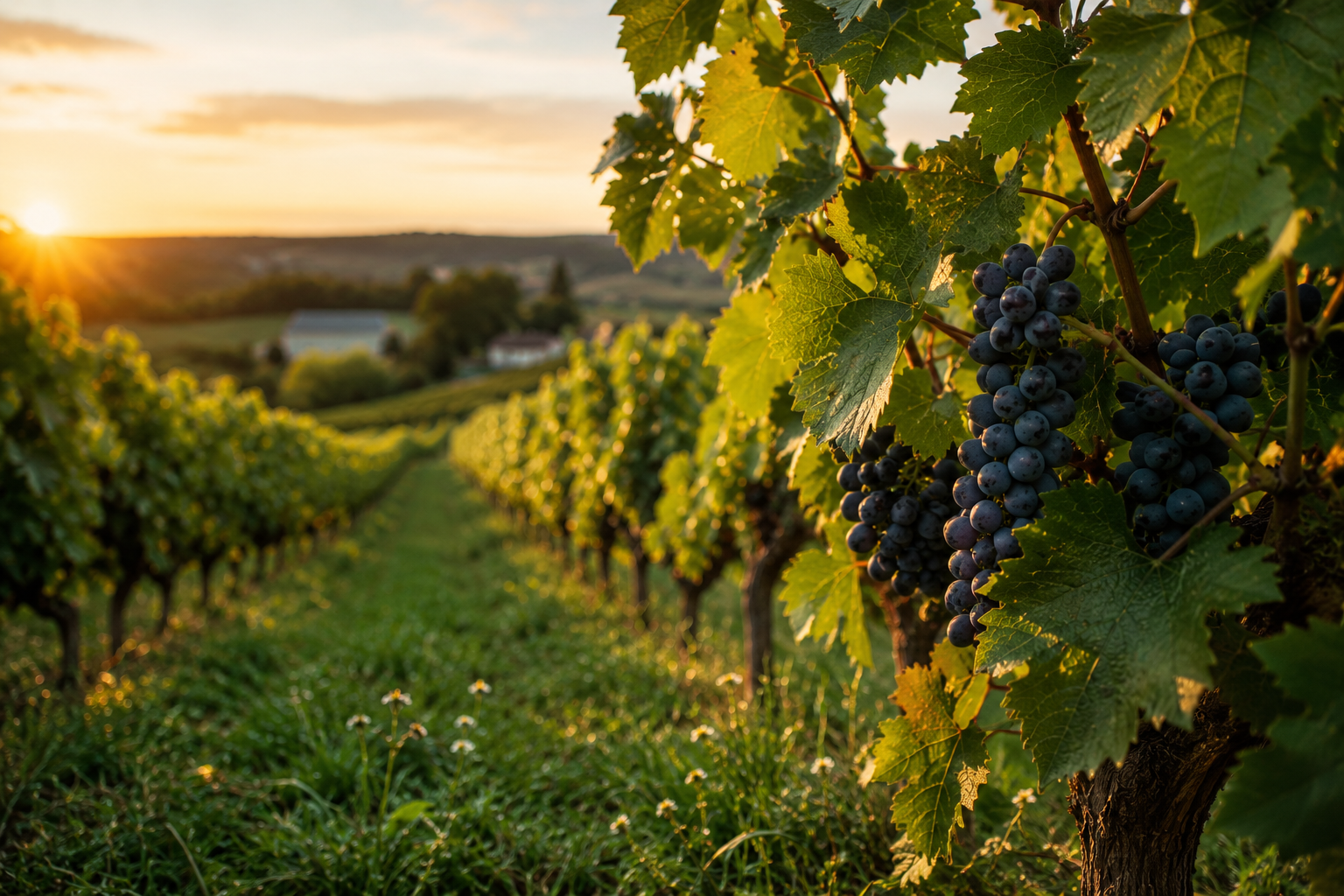
Facing due south and sheltered from northern winds by the nearby forest, the vineyard benefits from a rare microclimate in the Loire Valley. This exposure maximises sunshine and protects the buds from late frosts — an essential condition for achieving full Cabernet Franc ripeness at this latitude.
Siliceous clay & tuffeau
Siliceous clay soils over tuffeau subsoil — the soft limestone typical of the Loire Valley — give Cabernet Franc its distinctive freshness and minerality. Tuffeau’s capacity to retain water limits summer water stress and contributes to the consistency of the vintages.
Cabernet Franc only
A single grape variety, from the very beginning, with no blending and no compromise. A relative of Cabernet Sauvignon, here it produces finer, less tannic wines with aromas of raspberry, violet and graphite pencil — an expression that the Saint-Nicolas terroir carries towards rare elegance.
Five generations,
one shared craft
Domaine de la Jarnoterie is a 26-hectare family estate founded in Saint-Nicolas-de-Bourgueil. From one generation to the next, the same demanding approach has been passed on : precise, patient work in service of the grape variety’s subtlety and the truth of the terroir.
No merger, no takeover, no abandonment. La Jarnoterie has remained what it has always been : an independent, human-scale estate where the winegrower knows every parcel by name.
-
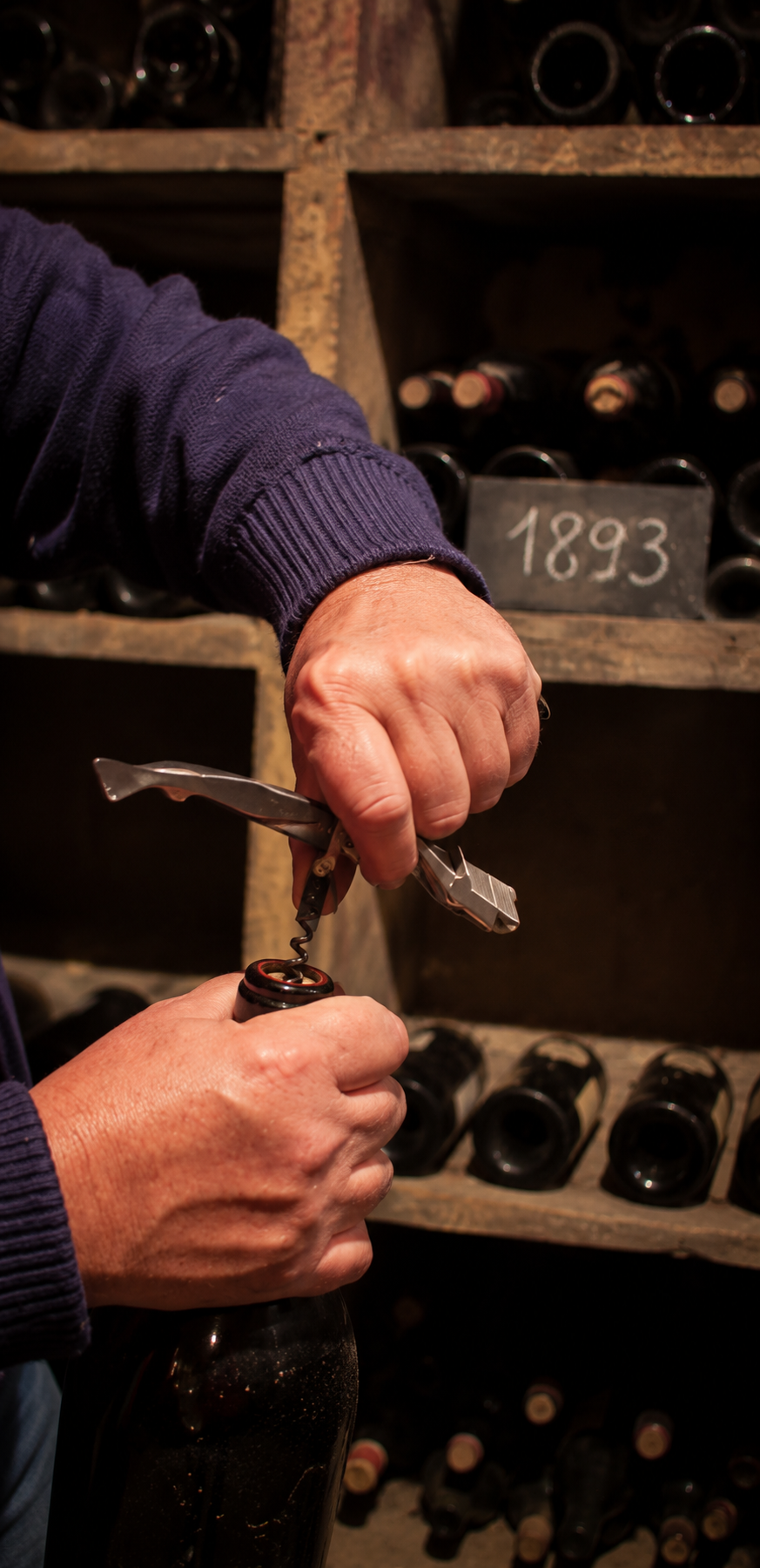
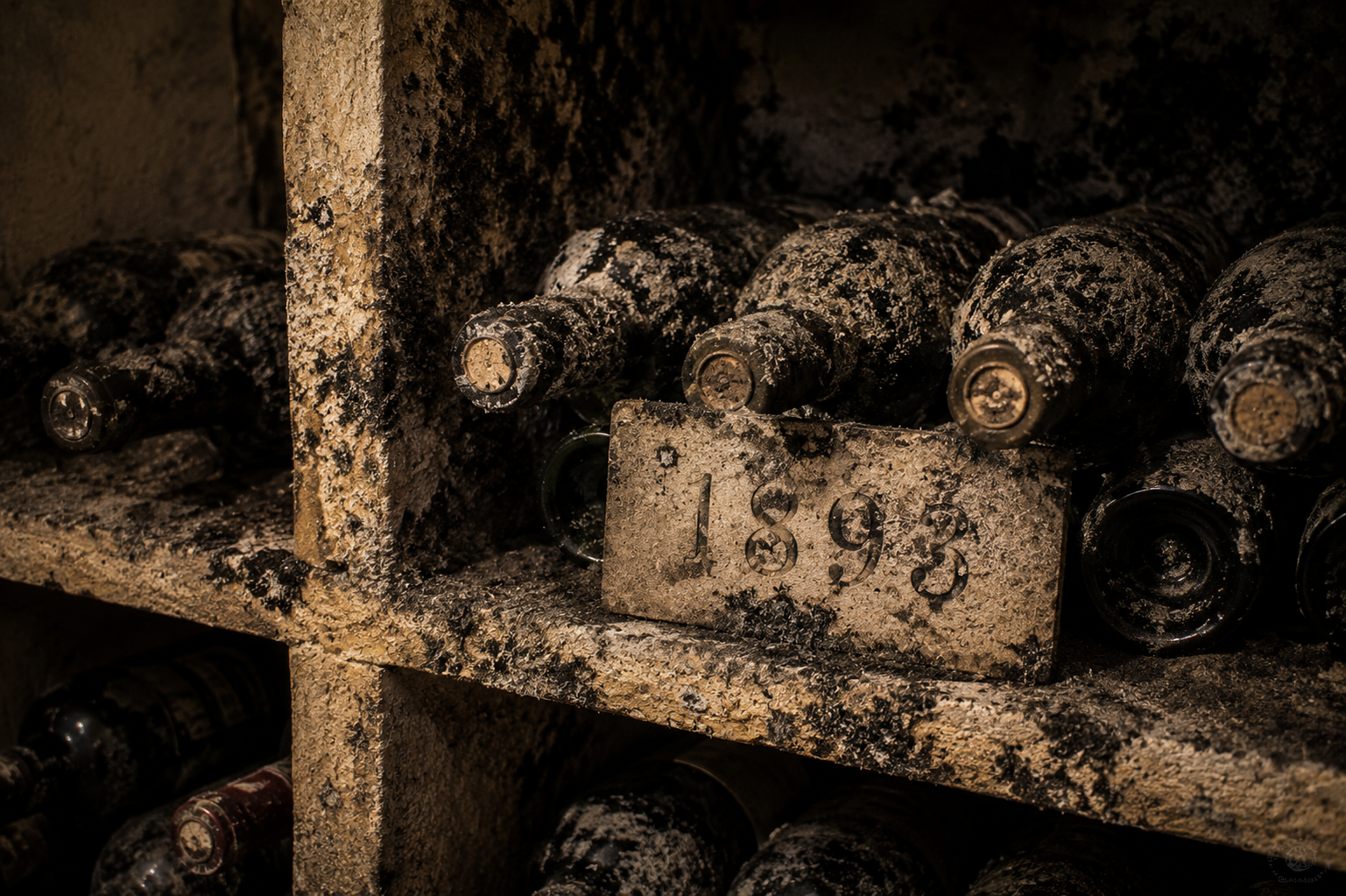
1893The estate is founded by the Rezé family. The first vines are planted on the south-facing slopes.
-
1950–80The estate is gradually structured and expanded to today’s 26 hectares. The first regional recognitions follow.
-
2000sA committed move towards sustainable winegrowing. HVE3 certification is obtained.
-
2020sOne parcel is converted to organic farming. The Angèle cuvée is born, the estate’s first certified organic wine.
The soul of the estate
It was by meeting Carine that Didier Rezé became a winegrower. A meeting that changed everything — the place, the craft, the life. For more than thirty years, they have run this estate together, each in their own role, indispensable to one another.
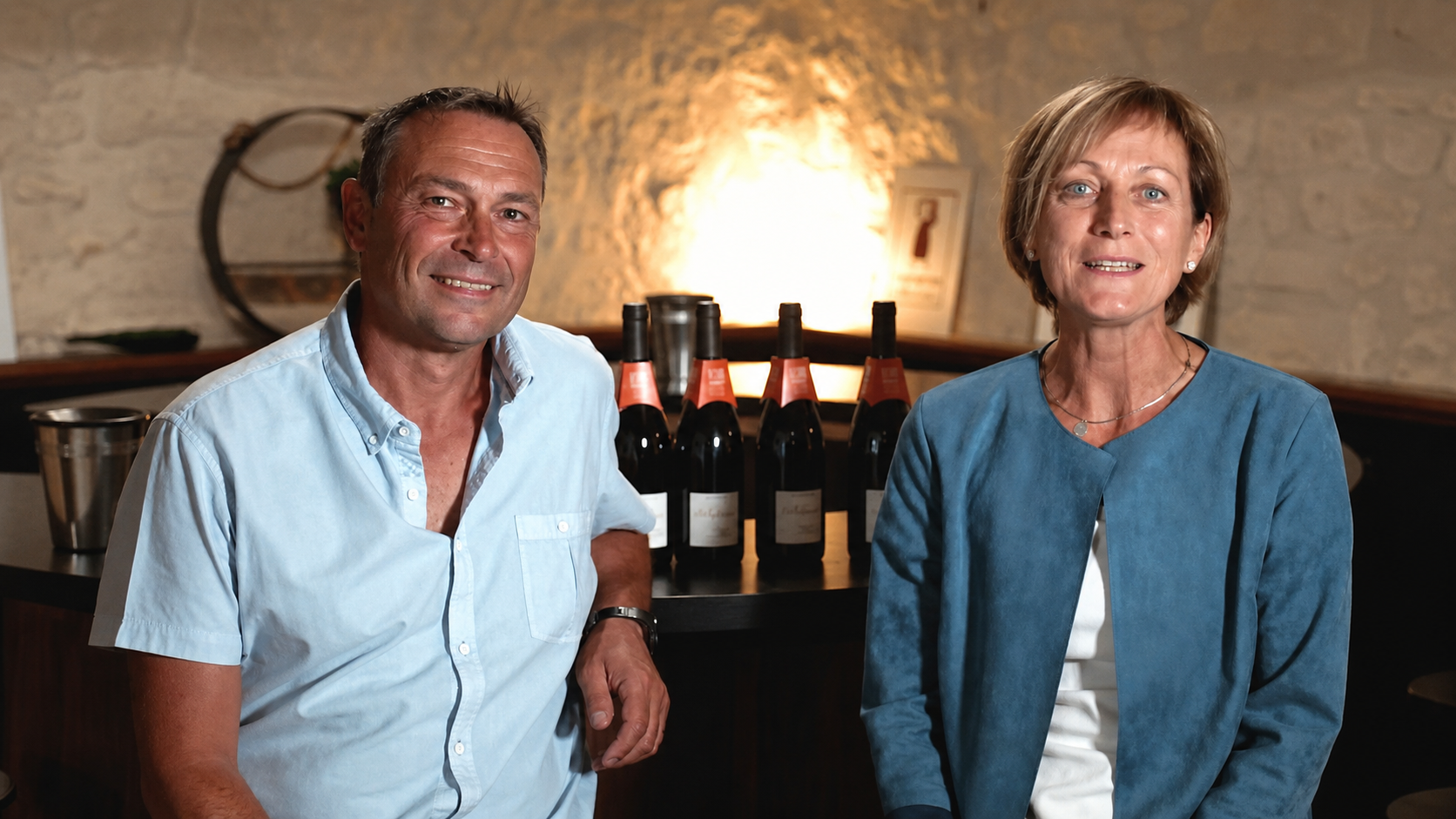
Didier & Carine Rezé
Didier belongs among the vines. He knows every row, every soil, every September mood of the sky. Wine begins there, in the silent relationship between a man and his land — and he guides it from pruning through to the cellar.
Carine is on the side of people. At the cellar door, hers is the voice you hear — the one that tells the story of a vintage, finds the right words for a wine that is difficult to describe, and senses what you are looking for before you even know it yourself. Between April and August, she opens the doors of the estate to visitors, through the tuffeau cellars and among the rows of vines.
“We do not make wine. We accompany something that already exists in the vine, in the soil, in the year. Our job is not to damage it.”— Didier Rezé
What La Jarnoterie is today is the sum of these two presences. The vines and the people. The silence of the cellar and the sound of glasses. Thirty years of the same shared momentum.
Recognised among the finest in the appellation
The work carried out at La Jarnoterie is regularly recognised in some of the most demanding international competitions. These distinctions are not an end in themselves — they simply confirm that a well-guided terroir always finds its voice.
The land comes first
Here, every decision starts with the soil. Grass cover between the rows to nourish microbial life, measured leaf removal so air can circulate without scorching the grapes, harvest dates based on true ripeness rather than the calendar. Nothing is systematic — everything is observed.
This approach is recognised by HVE3 — High Environmental Value certification, the most demanding level of the French scheme. It covers biodiversity in the vineyard, plant protection management, fertilisation and water use. It is not a promise : it is an annual audit carried out by an independent body.
On the gravel soils that give rise to the Angèle cuvée, no synthetic inputs have been used since conversion. It is the estate’s first certified organic cuvée — a serious field of experimentation, not a sales argument.
High Environmental Value
Angèle cuvée
Vinifying Cabernet Franc
At La Jarnoterie, winemaking is neither a formula nor a routine. It is an ongoing conversation between the winegrower and the vintage — every year is different, every decision adapted.
The harvest
Mechanised in order to control the harvest date precisely, the grapes undergo three successive selections on a sorting table before reaching the vat. Only grapes that have reached optimum ripeness are kept — a decision Didier Rezé makes himself after several tastings in the vineyard.
The cellar
Alcoholic fermentation takes place at controlled temperature — an essential condition for preserving the fruity and floral aromas of Cabernet Franc. Maceration lasts around fifteen days, during which Didier Rezé tastes daily, adjusts the pumping-over schedule and decides the optimum moment to devat.
Ageing
Part of the wine rests in oak barrels, sheltered in our tuffeau cellars. Carved directly into the rock, they naturally maintain a stable temperature of 12–14 °C — ideal conditions for slow, steady ageing. This rest rounds out the tannins, integrates the oak without imposing it, and shapes the estate’s signature : finely textured, fleshy, elegant and fruit-driven wines.
“Wine is the intellectual part of a meal. Meat and vegetables are merely the material part.”— Alexandre Dumas
Everything you want to know before visiting
Visits, wines, certifications, ageing : find answers here to the most common questions. For any other enquiry, contact us.
“As we grow older, we do not lose the taste for wine. We lose the taste for bad wine.”— Paul-Émile Victor
Come and meet the estate
Book a visit in Saint-Nicolas-de-Bourgueil, or discover our AOC red and rosé wines online now.